The Matheza Journal

Our Latest Blogs

Practical, tutor written guidance on online learning, exam strategy, and study habits that actually stick so every lesson outside the classroom counts too.

Online Tutoring

How to Choose the Right Online Tutor for Your Child

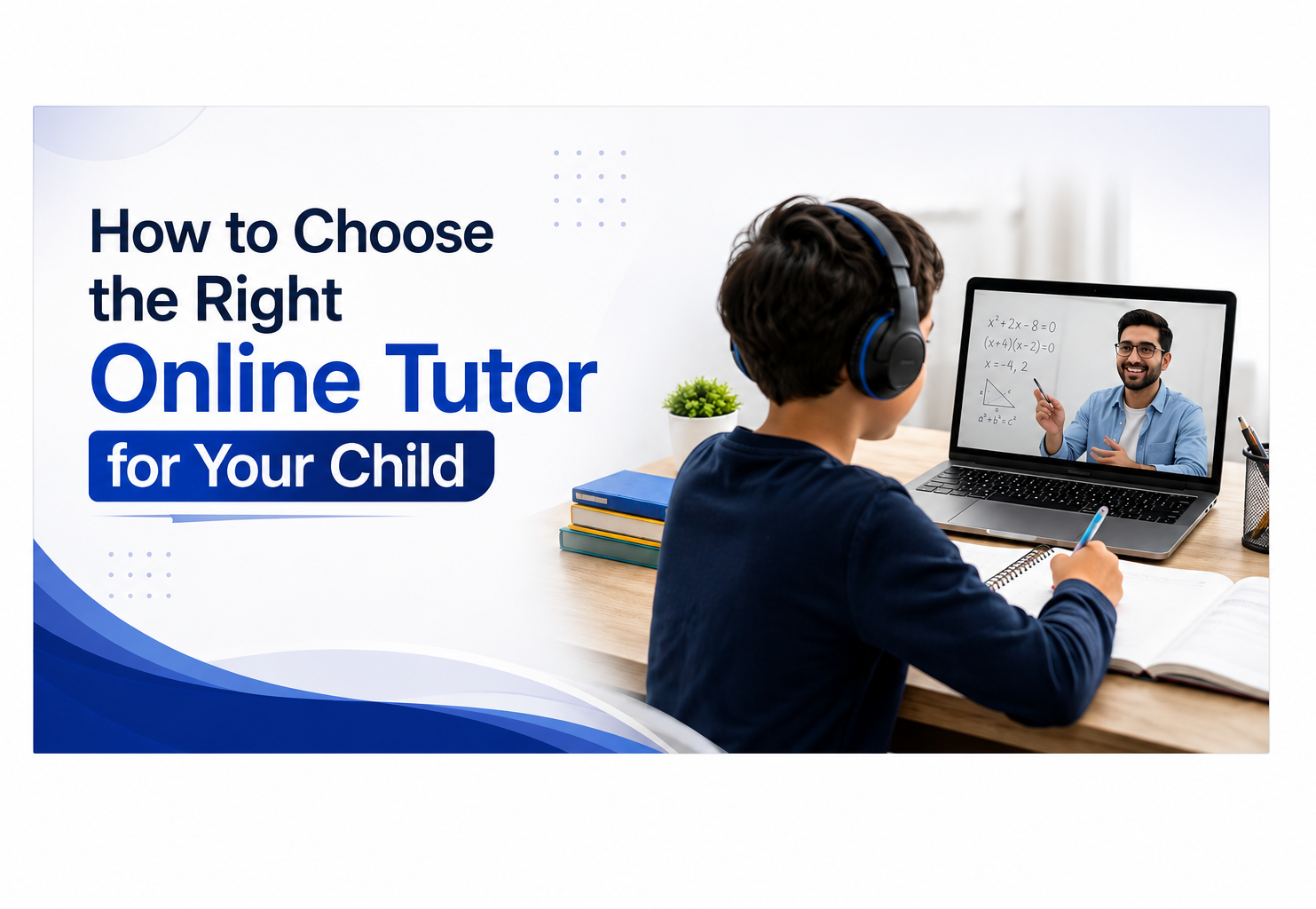
Choosing the right online tutor means looking beyond qualifications. The right tutor should understand a student's learning needs, explain clearly, and help them make steady progress.

Matheza Tutors Aug 2026

A good tutor should have strong subject knowledge and be comfortable teaching at the student's level. For IGCSE, GCSE, O Level, or A Level students, it is also helpful to choose someone familiar with the relevant curriculum and exam board.

Every student learns differently. A tutor should be able to adapt lessons for basic concepts, homework support, revision, or exam preparation instead of using the same approach for everyone.

With 1-on-1 online tutoring, lessons can focus on specific needs, goals, and areas for improvement. Students should also feel comfortable asking questions and have enough time to understand and practise.

The best tutor is someone who can teach clearly, understand the student, and help them move forward with confidence. At Matheza, we believe finding the right tutor can make a meaningful difference.

Exam Preparation

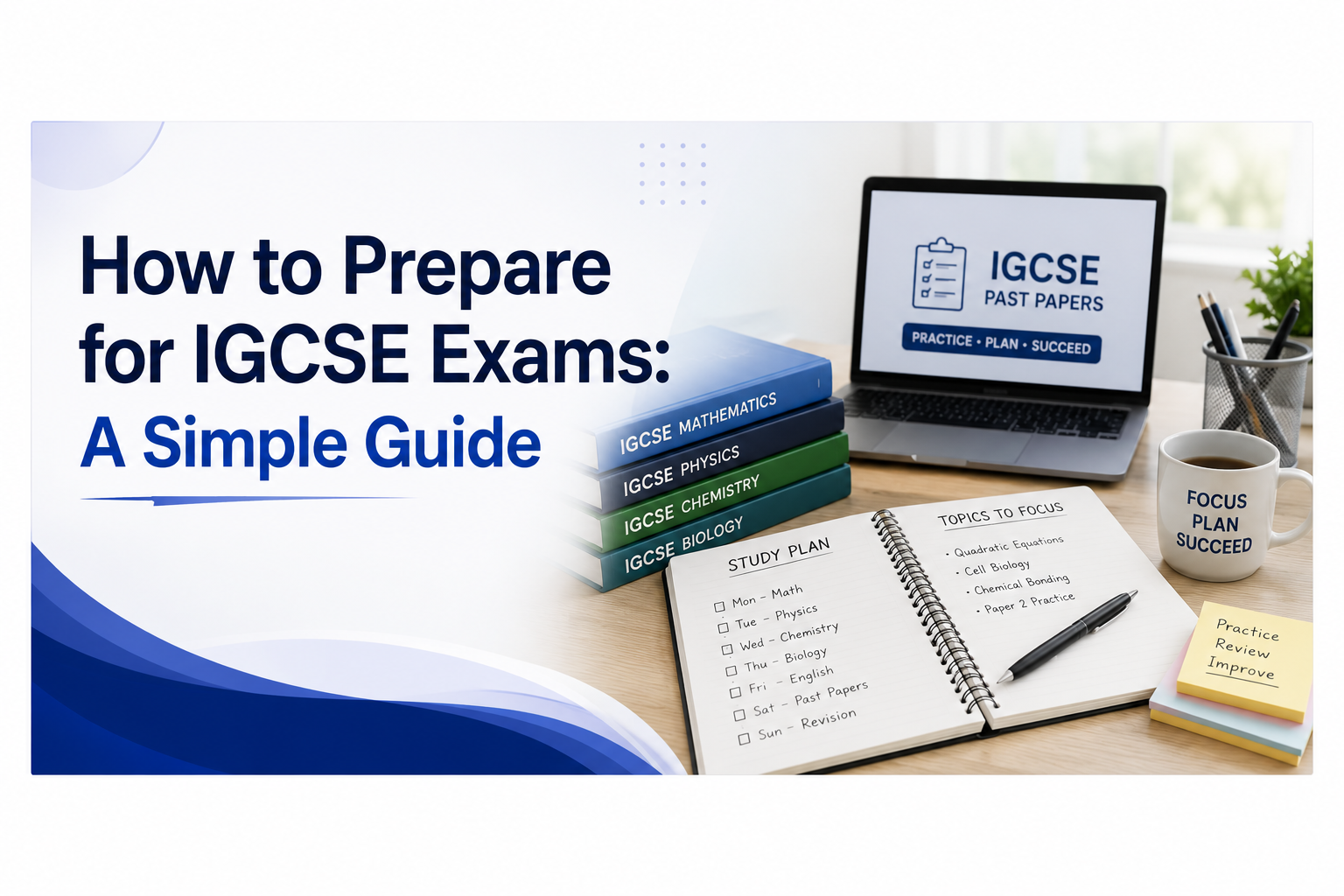
How to Prepare for IGCSE Exams: A Simple Guide

A simple, realistic study plan can make IGCSE preparation more manageable. Start with your syllabus, plan your revision, practise exam questions, and learn from your mistakes.

Matheza Tutors May 2026

Before revision, review your IGCSE syllabus and list the topics you need to cover. Separate topics you understand from those that need more attention.

Create a weekly study plan that gives enough time to different subjects. You do not need to study every subject every day.

Use IGCSE past papers and practice questions to become familiar with question styles and improve time management. When you get an answer wrong, ask what mistake you made and how you can avoid it next time.

If a topic remains confusing after several attempts, an IGCSE online tutor can explain it differently and provide practice based on your learning needs. Regular practice, a clear plan, and the right support make exam preparation easier.

Curriculum

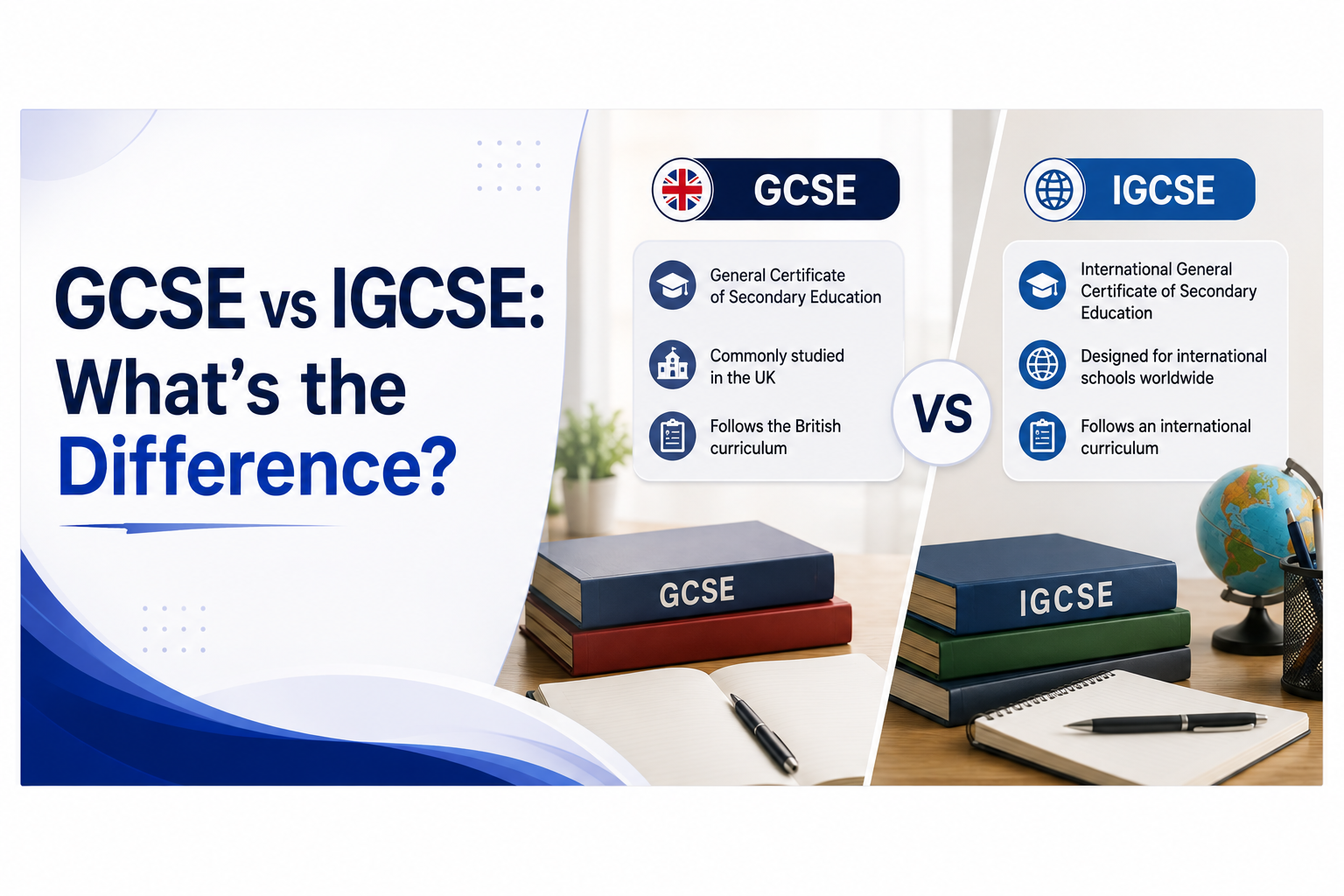
GCSE vs IGCSE: What's the Difference?

GCSE and IGCSE are widely recognised secondary-school qualifications, but they are designed for different educational settings and should be compared through their specific syllabus and assessment requirements.

Matheza Tutors Nov 2025

GCSE stands for General Certificate of Secondary Education and is commonly studied in the UK and by schools following the British curriculum. IGCSE stands for International General Certificate of Secondary Education and is designed for students in international schools and other educational settings worldwide.

Both qualifications are widely used internationally, but the exact course, syllabus, and exam board matter. Students may study qualifications offered by boards such as Cambridge, Pearson Edexcel, or OxfordAQA.

There is no single answer to which qualification is better. The right choice depends on the student's school, country, subject, curriculum, and future education plans.

Whether a student studies GCSE or IGCSE, online tutoring can help with difficult topics, homework, revision, and exam preparation when the tutor understands the student's particular curriculum and exam board.

A Level

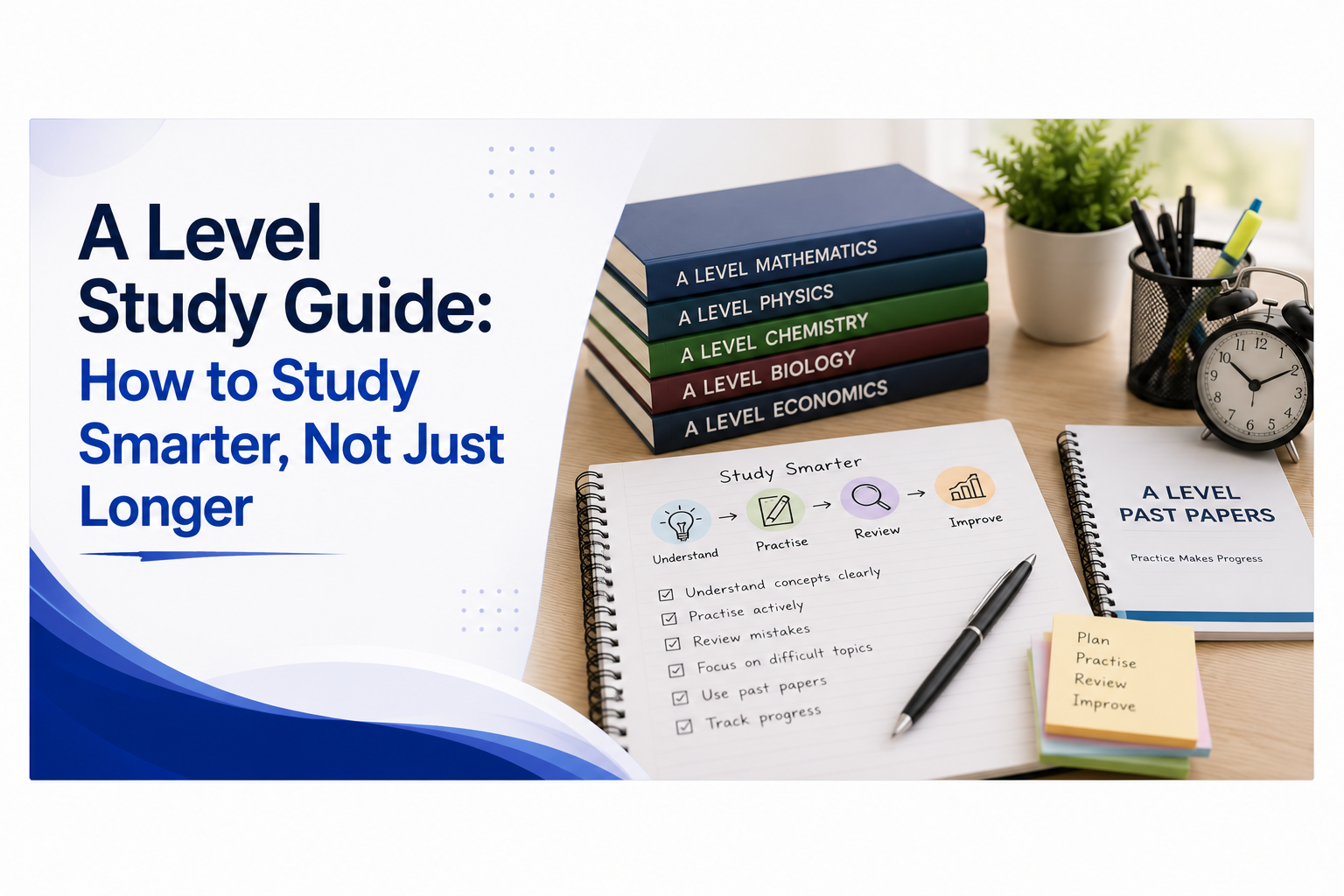
A Level Study Guide: How to Study Smarter, Not Just Longer

A Level subjects require deeper understanding. Effective preparation is about using study time well: understand concepts, practise actively, review mistakes, and focus on difficult topics.

Matheza Tutors June 2025

Start by understanding the main idea before memorising. This is especially important for A Level Mathematics, Physics, Chemistry, Biology, and Economics. Once you understand a concept, practise using it.

Use active practice such as solving questions, explaining ideas in your own words, making short revision notes, testing yourself, and practising exam questions.

A Level past papers help you understand question styles and practise under exam conditions. After each paper, review your mistakes and give additional attention to topics where you struggle.

Keep your study plan simple with small weekly goals. A useful approach is: Understand → Practise → Review → Improve.

Test Preparation

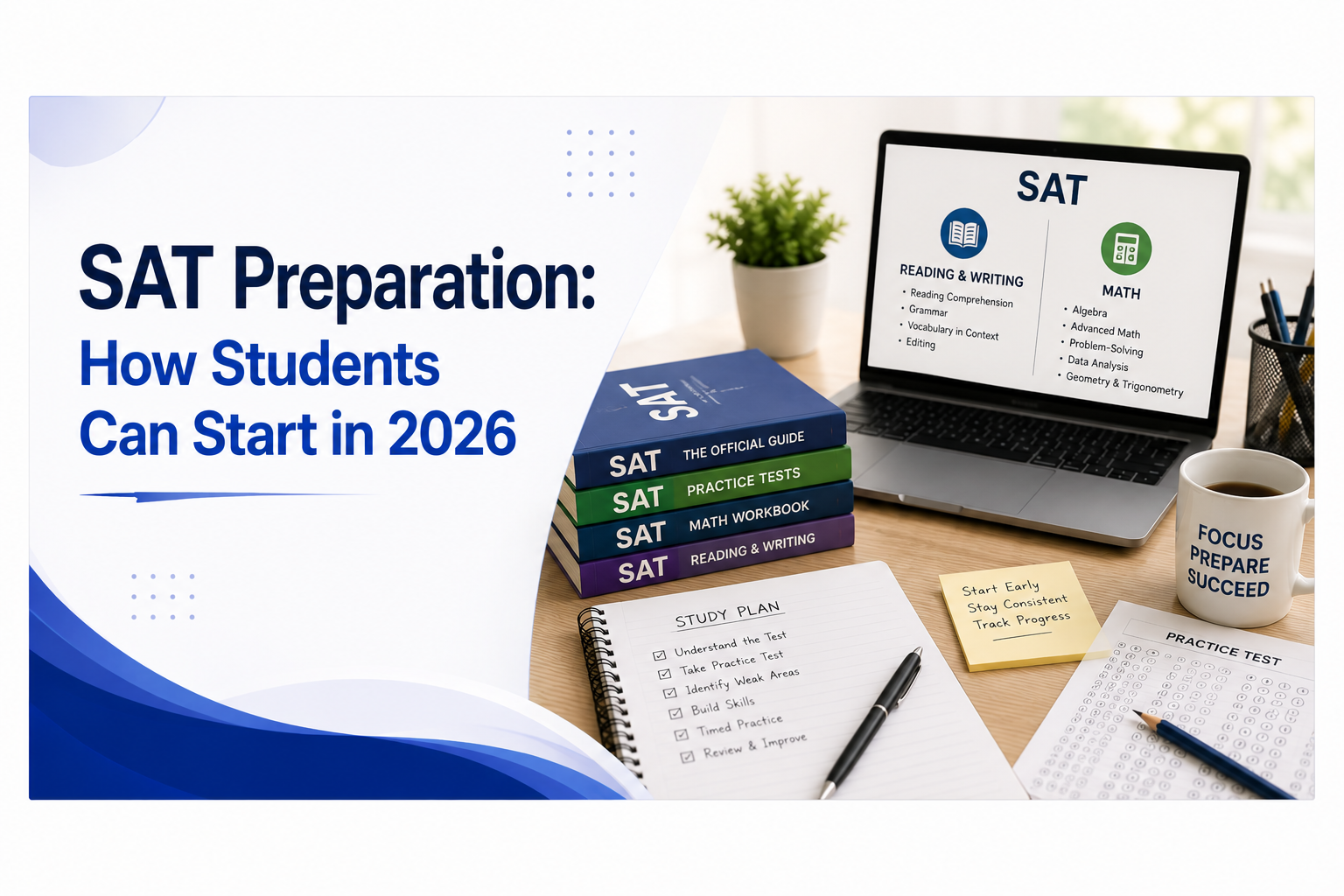
SAT Preparation: How Students Can Start in 2026

SAT preparation becomes more manageable when students understand the test, find their starting point, build strong Math and Reading and Writing skills, and practise with time limits.

Matheza Tutors May 2026

Before preparing, learn about the current SAT structure and question types. The SAT covers Reading and Writing and Math. Take a practice test first to identify stronger areas and topics that need more work.

SAT Math includes Algebra, Advanced Math, problem-solving, data analysis, and Geometry and trigonometry. Focus on understanding how to solve problems rather than simply memorising formulas.

Regular Reading and Writing practice can improve comfort with grammar, passages, vocabulary in context, and editing questions. Timed practice also helps students answer efficiently.

If specific topics remain difficult, an SAT tutor can provide focused lessons and practice. Start early, stay consistent, and track steady improvement.

Math Tutoring

How Online Math Tutoring Can Help Students Improve

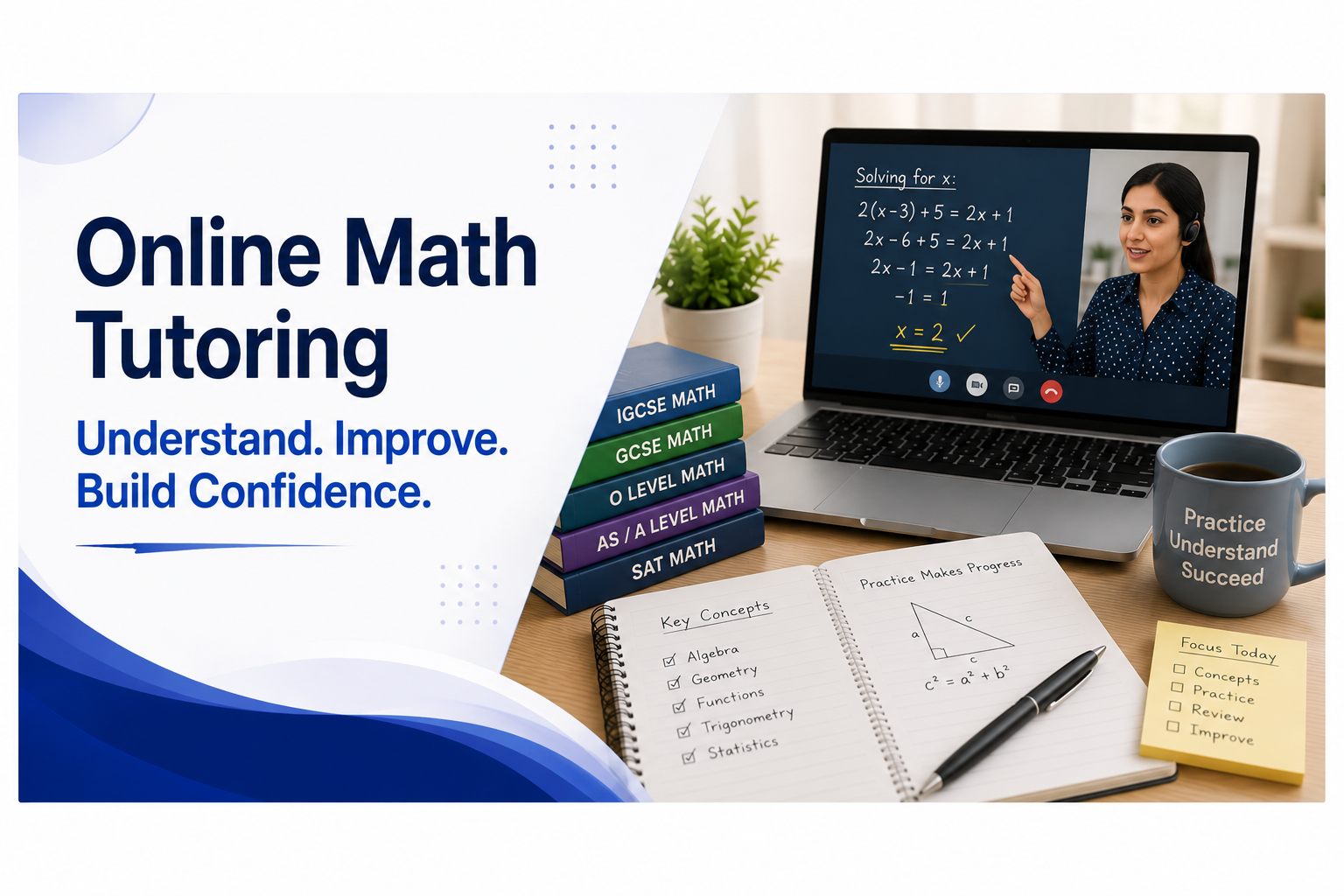
Online Math tutoring can help students close learning gaps, learn at their own pace, understand concepts instead of memorising methods, and build confidence.

Matheza Tutors Feb 2025

In a classroom, lessons usually move forward with the group. With 1-on-1 Math tutoring, a tutor can spend more time explaining a topic when the student needs it.

A good Math tutor helps students understand why a method works and when to use it. Lessons can focus on the areas that need help, such as algebra when geometry is already strong.

Students studying IGCSE, GCSE, O Level, AS/A Level, or SAT Math may need support based on their specific syllabus. A tutor familiar with the curriculum can provide relevant questions and exam-style practice.

The purpose of Math tutoring is not simply to finish today's homework. It is to help students understand concepts, solve problems independently, and become more confident learners.